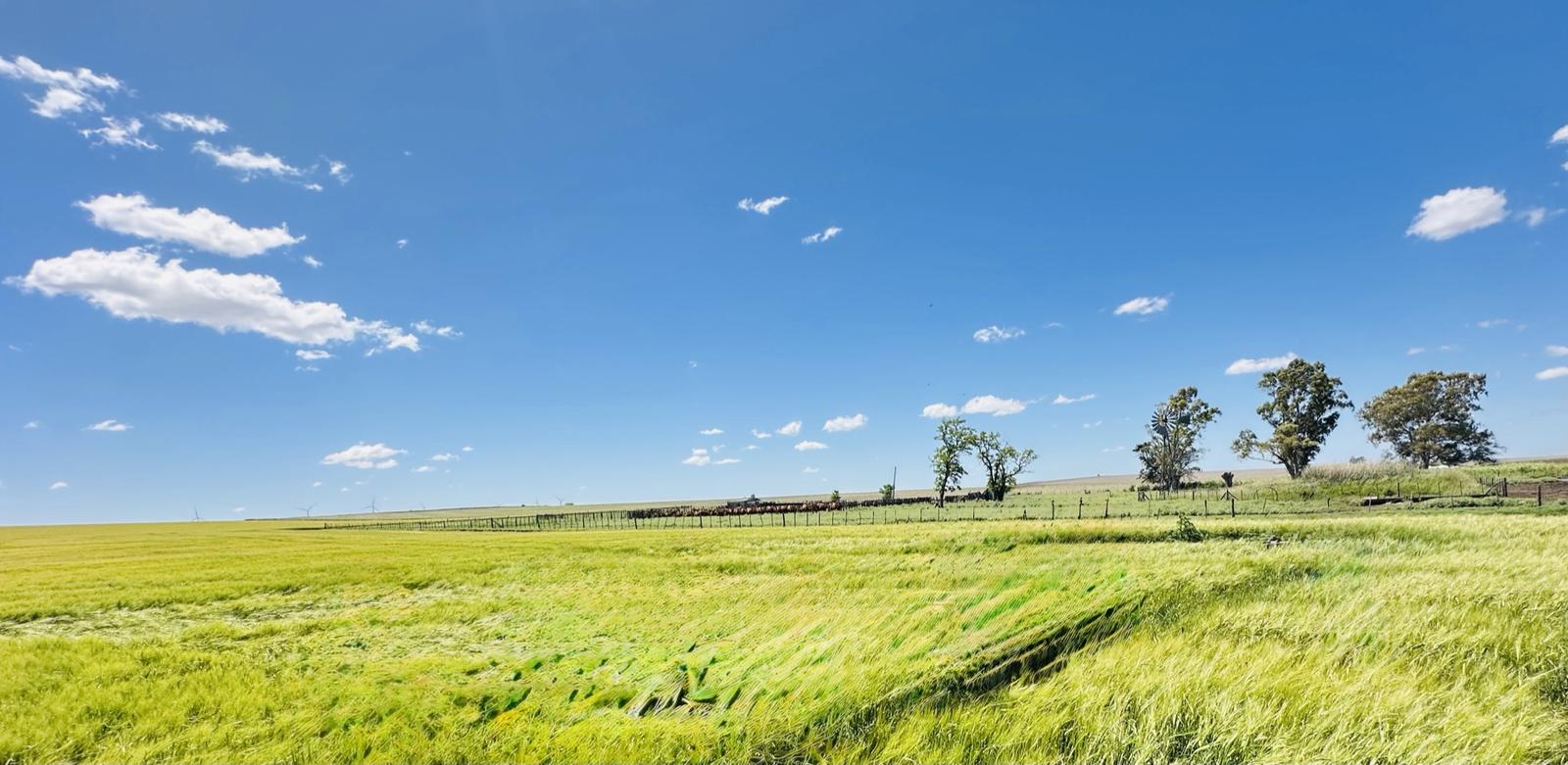
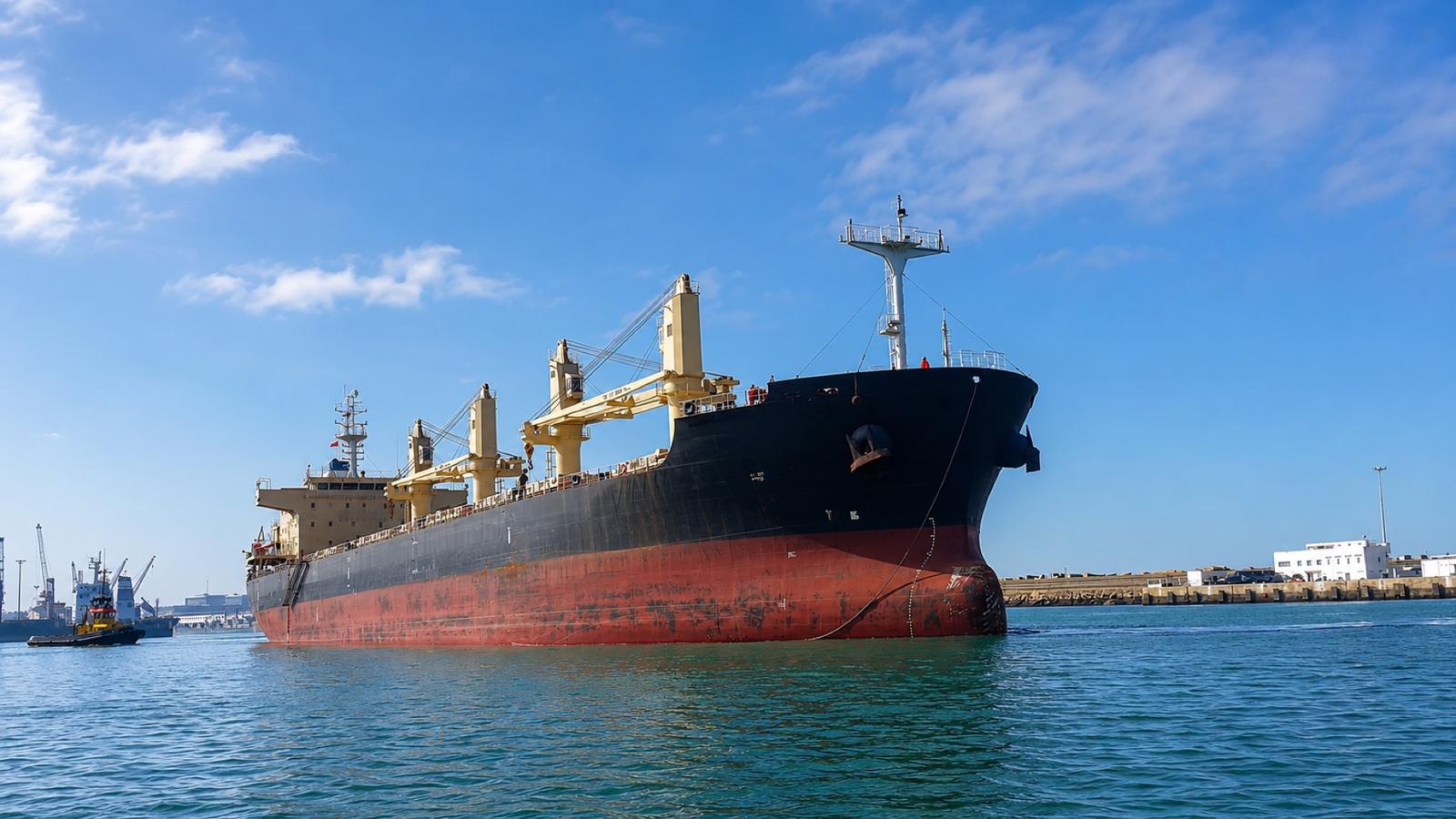
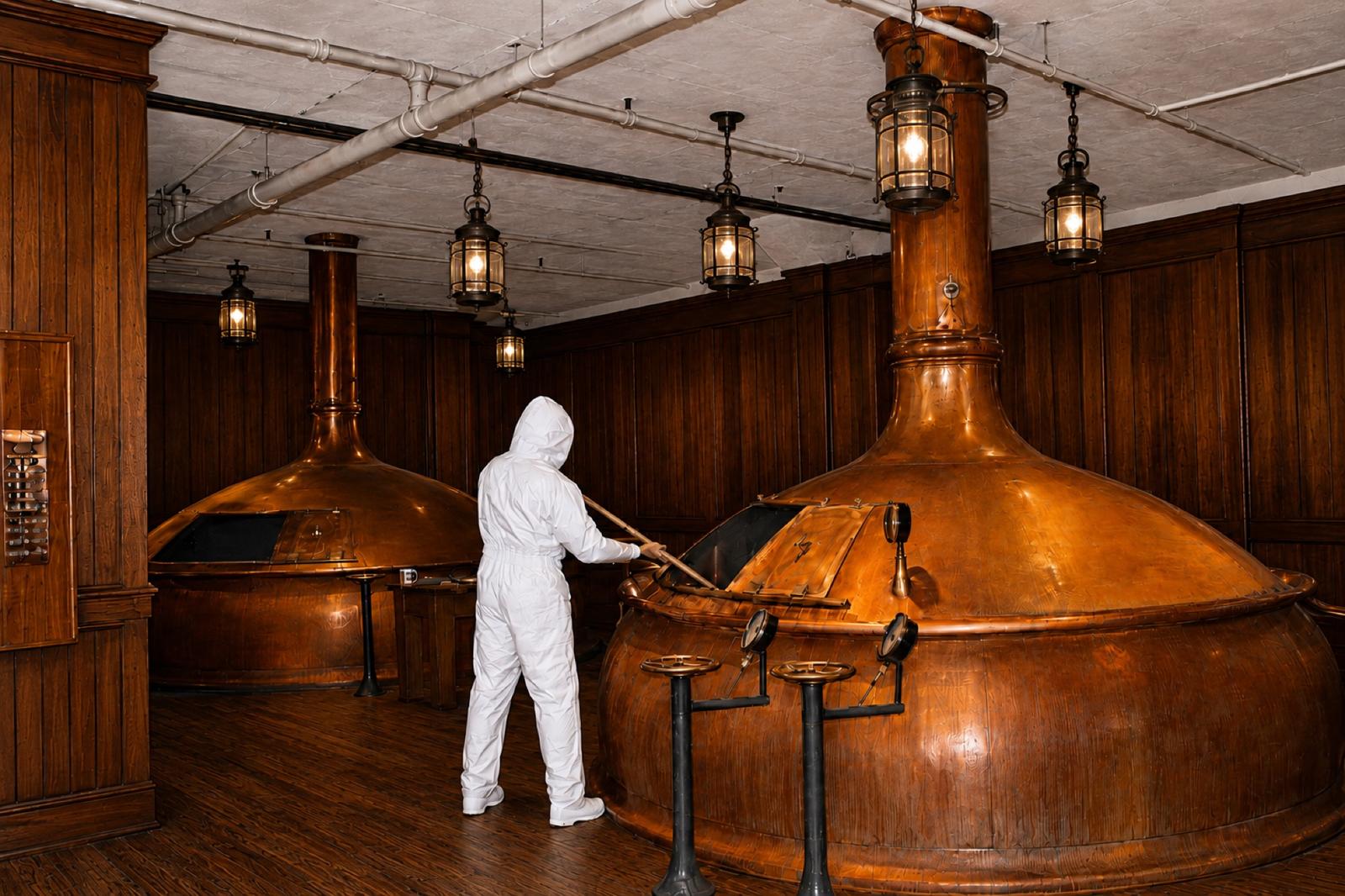
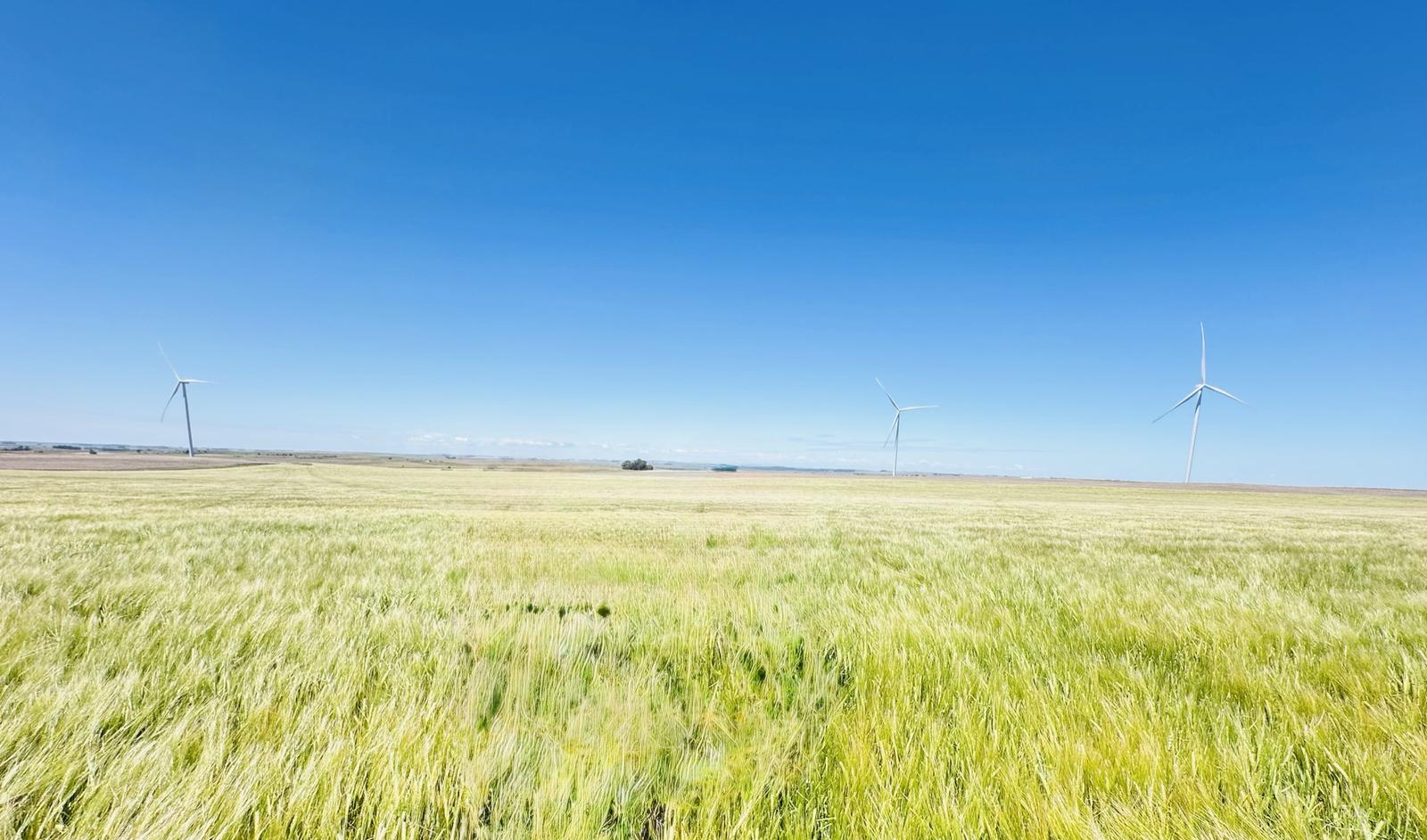
Technical and historical knowledge on malting barley — from ancient domestication to modern sustainability metrics.
Barley is one of humanity's oldest cultivated grains and the essential raw material for brewing and malting. E-MaltingBarley organizes its history, agronomy, quality standards, and environmental performance in one clear, professional resource.
From ancient domestication in the Fertile Crescent to climate-smart breeding programs, barley has evolved into a crop with precise regional identities and strict performance standards. This site helps students, technicians, brewers, and agronomists understand not only what barley is — but why it matters.
Learn about this projectA structured library covering every major dimension of malting barley.
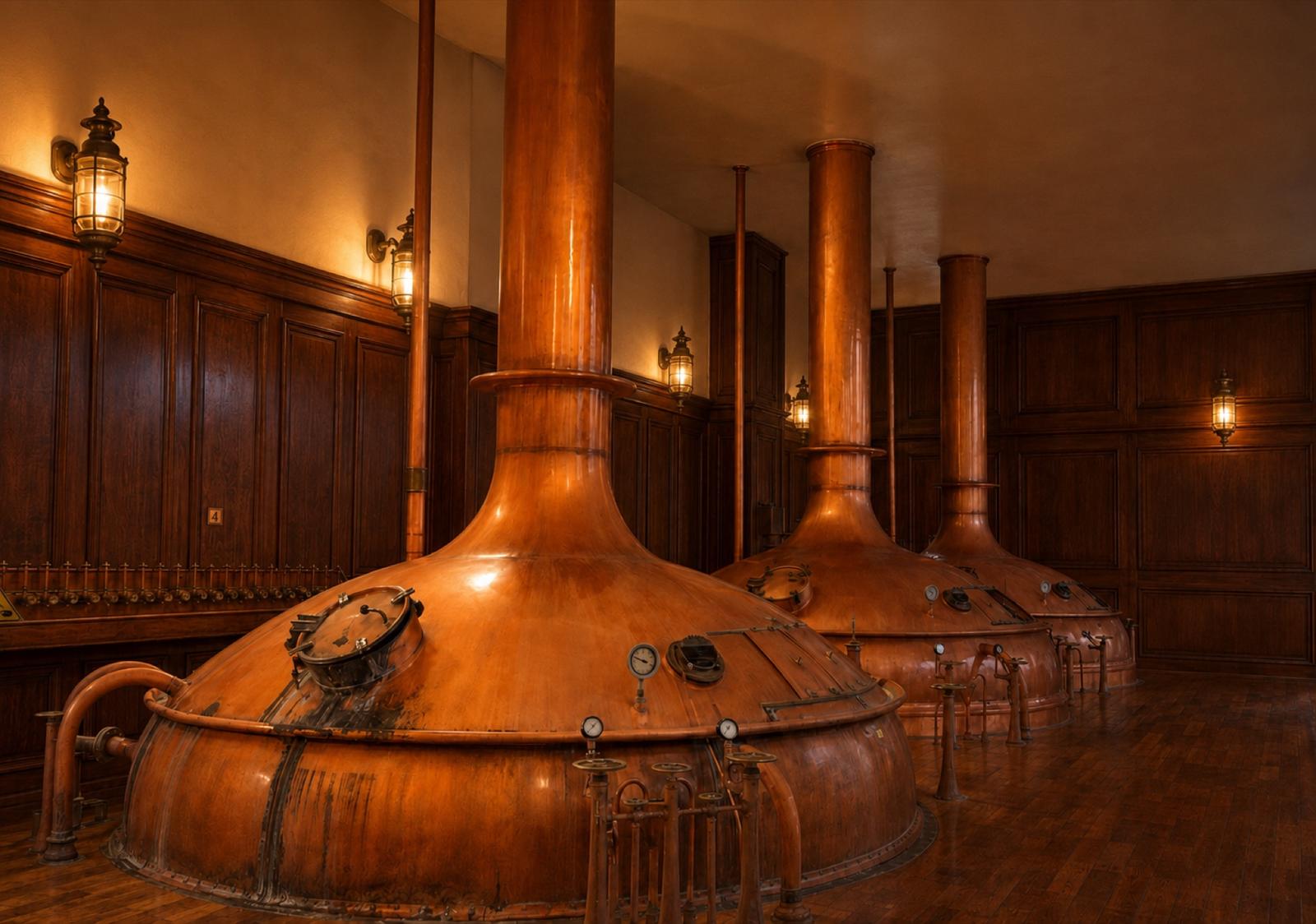
From the Fertile Crescent to global cultivation — how barley became one of humanity's most important crops.
Explore historyKey differences in grain structure, extract potential, protein content, and regional use cases across the two main types.
Compare typesSteeping, germination, kilning, deculming — the controlled transformation of raw barley grain into finished malt.
Learn the processProtein levels, moisture, germination energy, extract potential, and kernel plumpness — what the malt industry demands.
View standardsRegional variety profiles from Europe, the Americas, Australia, and beyond — with agronomic and malting notes.
Compare varietiesHow modern plant breeding transformed malting barley — from traditional selection to genomic-assisted programs.
Read researchHow much grain yield per unit of water — a critical sustainability metric in malting barley production and breeding.
Explore WUEThe balance between yield, protein, and fertilizer input — why NUE is especially complex in malting barley.
Explore NUEGreenhouse gas emissions across the barley-to-malt supply chain and strategies to reduce carbon intensity.
View carbon dataModern malting barley production is assessed not only by yield and quality, but by how efficiently it uses water, nitrogen, and energy. These metrics are becoming essential for market access, environmental compliance, and long-term crop resilience.
E-MaltingBarley covers Water Use Efficiency (WUE), Nitrogen Use Efficiency (NUE), energy intensity, and carbon footprint across the full chain — from field management to malting plant operation.
Barley is soaked in water to raise moisture content to 42–46% over 48–72 hours.
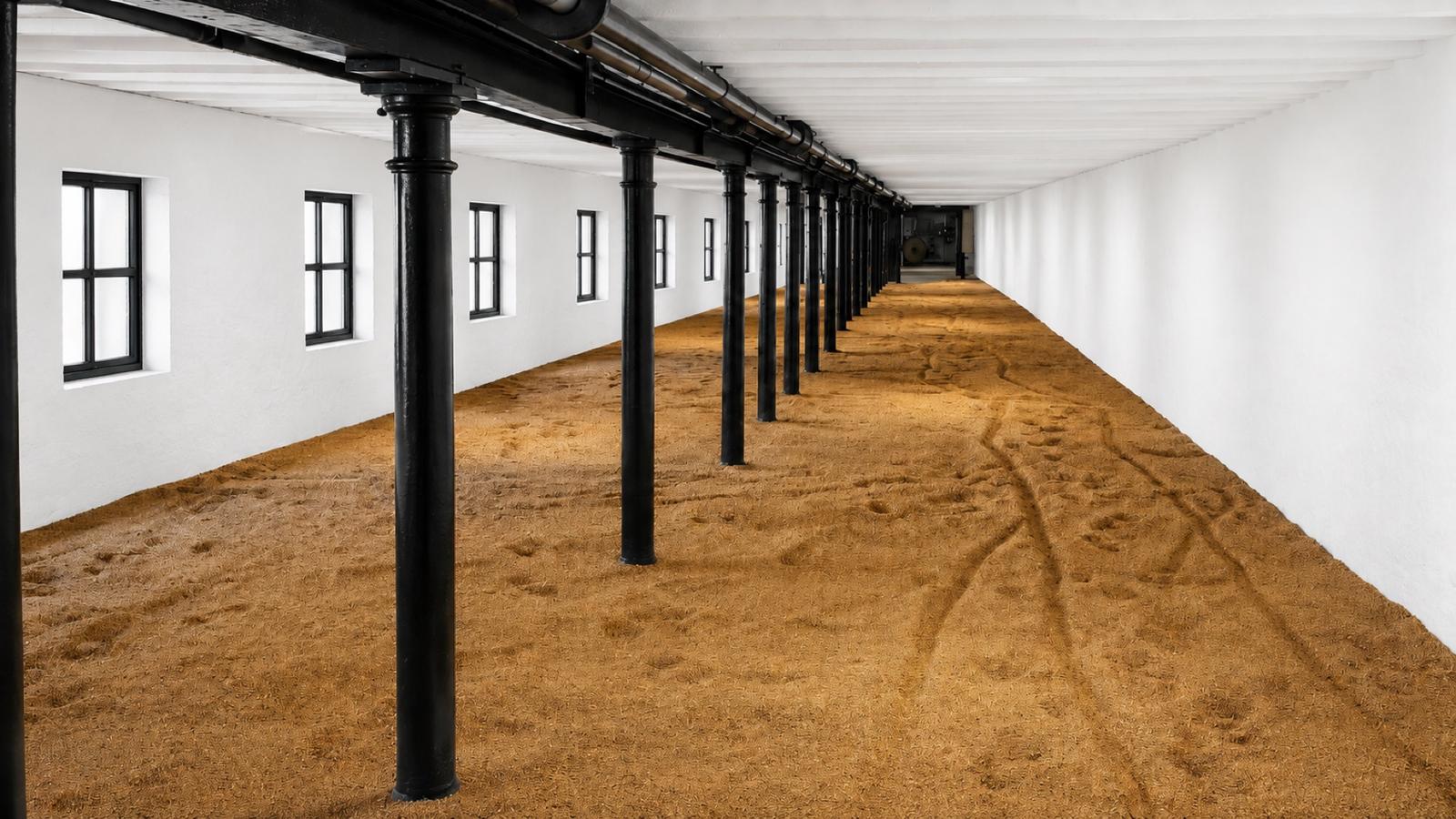
The grain germinates over 3–5 days at 15–20°C, producing enzymes that will convert starch to sugar.
The green malt is dried at 65–105°C to stop germination, fix enzymes, and develop malt character.
Rootlets and acrospires are removed. The finished malt is ready for analysis and dispatch.
From diastatic power to water footprint — every technical term used across this site, explained clearly.