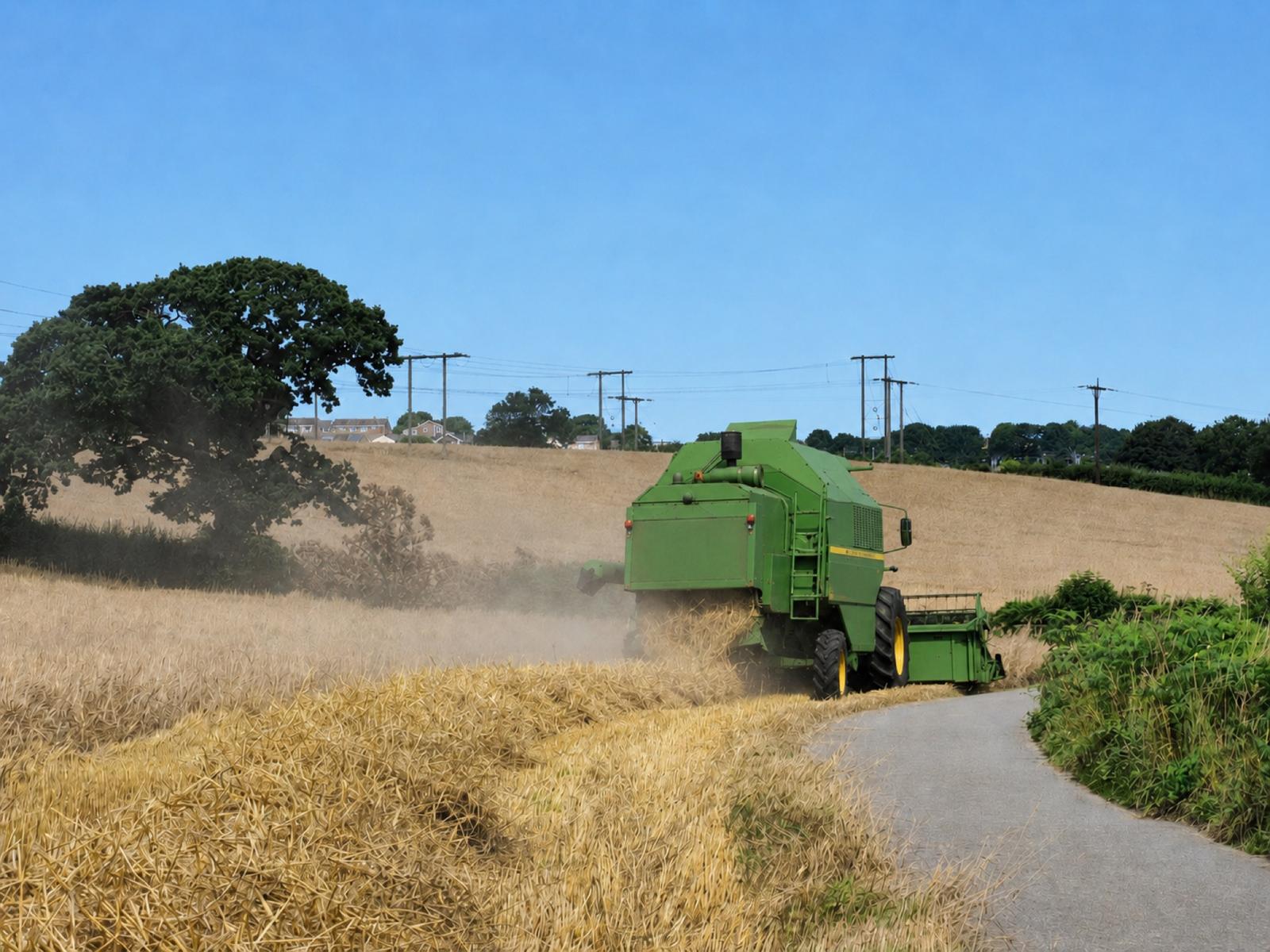
Origins in the Fertile Crescent
Barley (Hordeum vulgare) is one of the first cereal crops domesticated by humans. Archaeological and genetic evidence places its origin in the Fertile Crescent — the arc of land spanning modern-day Israel, Jordan, Syria, Turkey, Iraq, and Iran — approximately 10,000 years ago, during the Neolithic period.
Wild barley (Hordeum vulgare subsp. spontaneum) was gathered by hunter-gatherers long before deliberate cultivation began. The transition from foraging to farming was gradual, driven by the identification of mutant plants with non-shattering spikes — grains that stayed attached to the plant long enough to be harvested rather than dispersing naturally to the ground.
Key fact: The earliest domesticated barley was found at sites such as Abu Hureyra (Syria) and Netiv Hagdud (Jordan), dated to around 8500–7500 BCE. These finds mark some of the earliest evidence of cereal agriculture in human history.
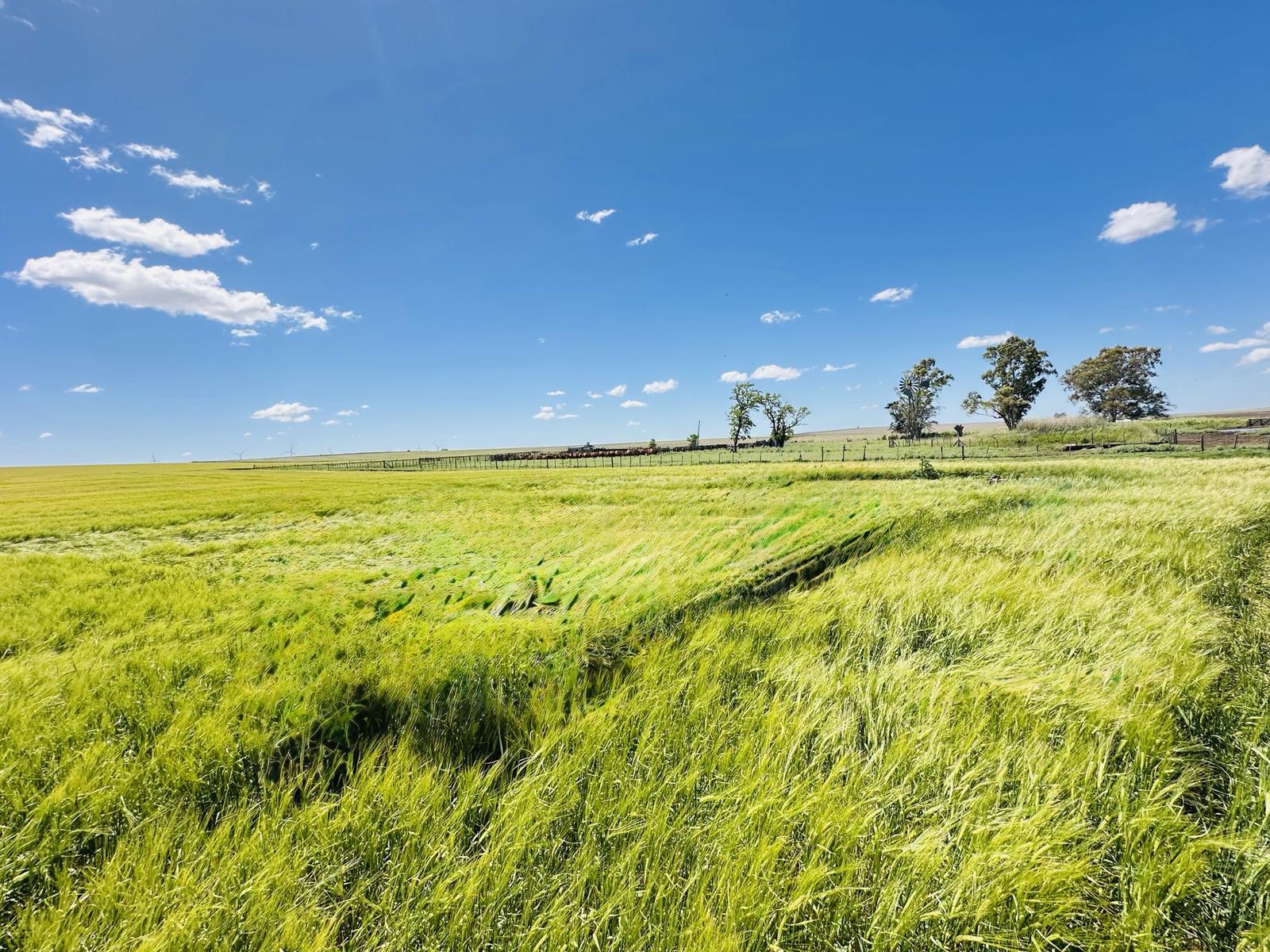
Barley in the Ancient World
Once established as a cultivated crop, barley spread rapidly across the ancient Near East and into Egypt, where it became a foundation of the economy. In Mesopotamia — the region between the Tigris and Euphrates rivers — barley was used as both food and currency. Sumerian records from around 3000 BCE list barley rations as wages and tithes, making it one of the earliest documented commodities.
Ancient Egypt relied heavily on barley for bread and, critically, for brewing. Egyptian beer was made from fermented barley bread or sprouted barley, and is among the oldest documented fermented beverages. Beer played a central role in Egyptian labor systems — workers building monumental structures were often paid partly in beer and bread, both barley-derived.
In Classical Greece and Rome, barley remained a dietary staple, though wheat gradually displaced it for bread as wheat's gluten content made for lighter loaves. Barley continued as a base for porridge, flatbreads, and animal fodder — and retained its role in ritual brewing across cultures.
Medieval Expansion and Brewing Heritage
During the Middle Ages, barley cultivation spread north and west into central and northern Europe. The cooler climates of Germany, the British Isles, and Scandinavia proved well suited to spring and winter barley varieties. In these regions, barley became inseparable from the emerging tradition of beer brewing.
Monastic brewers across Europe formalized brewing practices, and barley malt became the standard fermentable base for northern European beer. The German Reinheitsgebot of 1516 — the famous beer purity law — specified barley as the required grain for brewing, effectively cementing malting barley as a dedicated crop in Central Europe.
The Reinheitsgebot (1516): Bavaria's beer purity law mandated that beer could only be brewed from water, barley, and hops (yeast was added later as a recognized ingredient). It stands as one of the oldest food quality regulations in history and shaped the development of malting barley as a specialized agricultural product.
Global Spread: The 18th and 19th Centuries
European colonization carried barley — along with other cereal crops — to the Americas, Australia, South Africa, and eventually to the Southern Cone of South America. Barley adapted well to the diverse climates of the Southern Hemisphere, and new agricultural traditions grew around the crop in regions like Australia's Riverina, Argentina's Pampas, and South Africa's Western Cape.
The industrial revolution transformed malting from a small-scale craft into a large-scale industry. Steam-powered malthouses, mechanical drum malters, and the ability to control temperature and airflow precisely allowed for consistent, large-volume malt production. This industrialization created demand for specific agronomic traits in barley: high yield, uniform germination, controlled protein levels, and large kernel size.
Modern Breeding and the 20th Century
The 20th century brought systematic plant breeding to barley. Early programs in the United Kingdom, Scandinavia, and Germany selected for disease resistance, yield stability, and malting quality. The introduction of semi-dwarf varieties from the 1960s onward — linked to the Green Revolution — increased yields substantially while reducing lodging risk.
By the latter half of the century, malting barley had become a highly specialized crop category, distinct from feed barley. Dedicated variety registration systems in Europe, North America, and Australia established formal quality thresholds that barley must meet before maltsters will purchase it. These systems created a direct link between field agronomy, breeding targets, and the technical requirements of the brewing industry.
Barley Today: A Crop for the Climate Era
In the 21st century, barley breeding programs face a new set of challenges: climate change, water scarcity, reduced agrochemical inputs, and the need to measure and reduce carbon emissions across the supply chain. Modern varieties are selected not only for yield and quality but also for water use efficiency, nitrogen use efficiency, and heat tolerance.
Global barley production now exceeds 70 million tonnes annually, with major producing countries including Russia, France, Germany, Australia, Canada, and Argentina. Around 30% of this production is destined for malting, representing the premium segment that drives breeding investment and quality innovation.
Looking ahead: The future of malting barley lies at the intersection of genomic science, climate resilience, and sustainability metrics. Varieties that deliver consistent malting quality under variable conditions — and with reduced environmental footprint — will define the next era of barley agriculture.