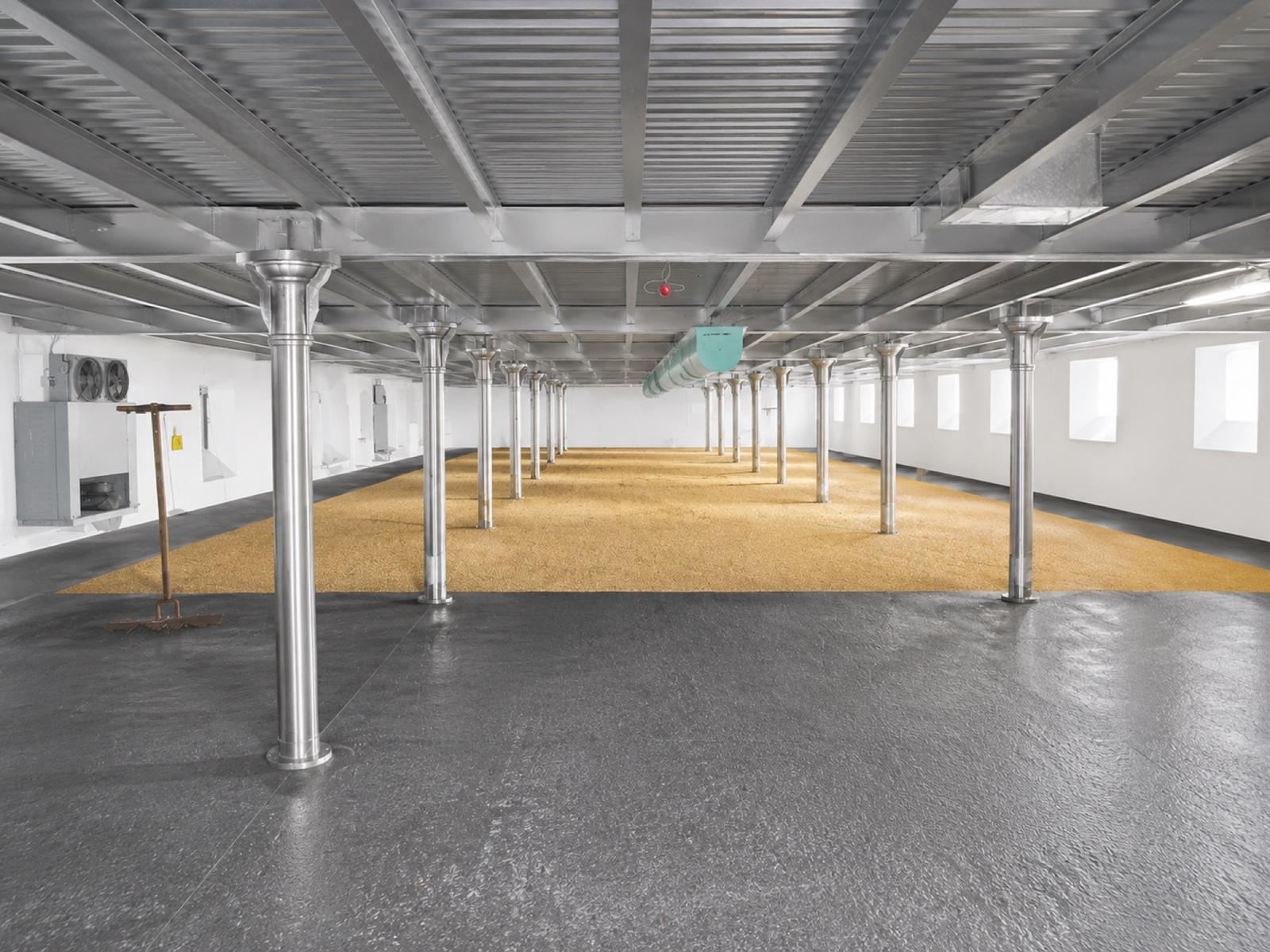
What is malting?
Malting is the controlled germination of barley grain, followed by drying, to produce malt — the essential fermentable material used in brewing, distilling, and food production. The process activates enzymes naturally present in the grain and produces the compounds that brewers need to convert starch to fermentable sugar during mashing.
The key outputs of a successful malting process are: a modified grain with degraded cell walls, active starch-converting enzymes (particularly alpha- and beta-amylase), appropriate moisture content, and a stable, storable product with the color and flavor characteristics required by the buyer specification.
Core transformation: Malting converts dormant, starchy barley grain into an enzymatically active, partially modified substrate that brewers can extract efficiently. Without malting, barley starch is largely inaccessible to yeast.
The malting process at a glance
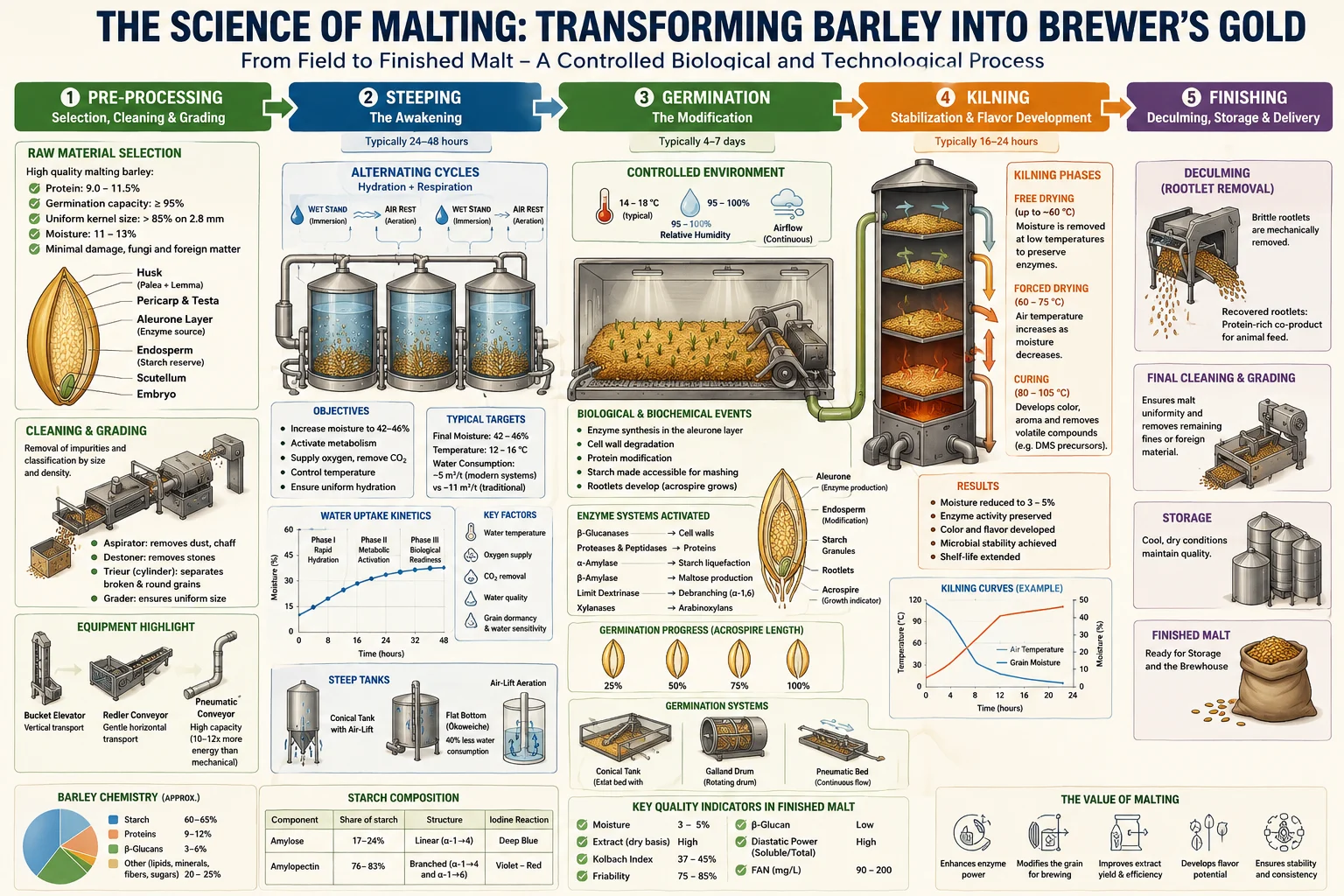
The complete journey from raw barley to finished malt spans five controlled stages — pre-processing, steeping, germination, kilning and finishing. The infographic below maps each stage with its typical parameters, the biochemical events involved, the enzyme systems activated, and the quality indicators of the finished malt.
Step-by-step: the five stages
Receiving, Cleaning & Storage
Raw barley arrives at the malthouse and is cleaned to remove dust, stones, broken grains, and weed seeds. It is graded by kernel size (typically over 2.5 mm screen). Barley must rest in storage for a minimum dormancy period — usually 4–8 weeks after harvest — before malting. Dormant barley will not germinate evenly, resulting in unacceptable malt.
Moisture at intake: ~12–14% | Storage temp: 15–18°CSteeping
Cleaned barley is loaded into steep tanks and cycled between water immersion (wet stands) and drained air rests — modern regimes typically run 24–48 hours rather than continuous soaking. Water absorption raises moisture from ~12% to 42–46%. The alternating cycles supply oxygen for respiration and strip away CO₂, triggering enzymatic activity and initiating germination. Water temperature, aeration intervals and duration are precisely controlled to achieve uniform hydration and initiate chitting — the visible emergence of the rootlet tip. Modern systems use around 5 m³ of water per tonne, versus ~11 m³/t in traditional maltings.
Duration: 24–48 h (modern) | Target moisture: 42–46% | Temp: 12–16°C | Water: ~5 m³/tGermination
Steeped barley moves to germination systems — conical tanks, Galland rotating drums or continuous-flow pneumatic beds (Saladin-type) — where grain is held at 14–18°C, 95–100% relative humidity and continuous airflow for 4–7 days. During germination, the embryo produces gibberellins (plant hormones) that signal the aleurone layer to synthesize and secrete hydrolytic enzymes. These enzyme systems each target a different substrate — α- and β-amylase (starch liquefaction and maltose production), β-glucanases (cell walls), proteases and peptidases (proteins), limit dextrinase (α-1,6 debranching) and xylanases (arabinoxylans) — modifying the starchy endosperm and cell walls to achieve "modification." Rootlets and the acrospire develop visibly; the maltster tracks acrospire growth (targeting 75–100% of kernel length) as the modification indicator.
Duration: 4–7 days | Temp: 14–18°C | RH: 95–100% | Acrospire target: 75–100% kernel length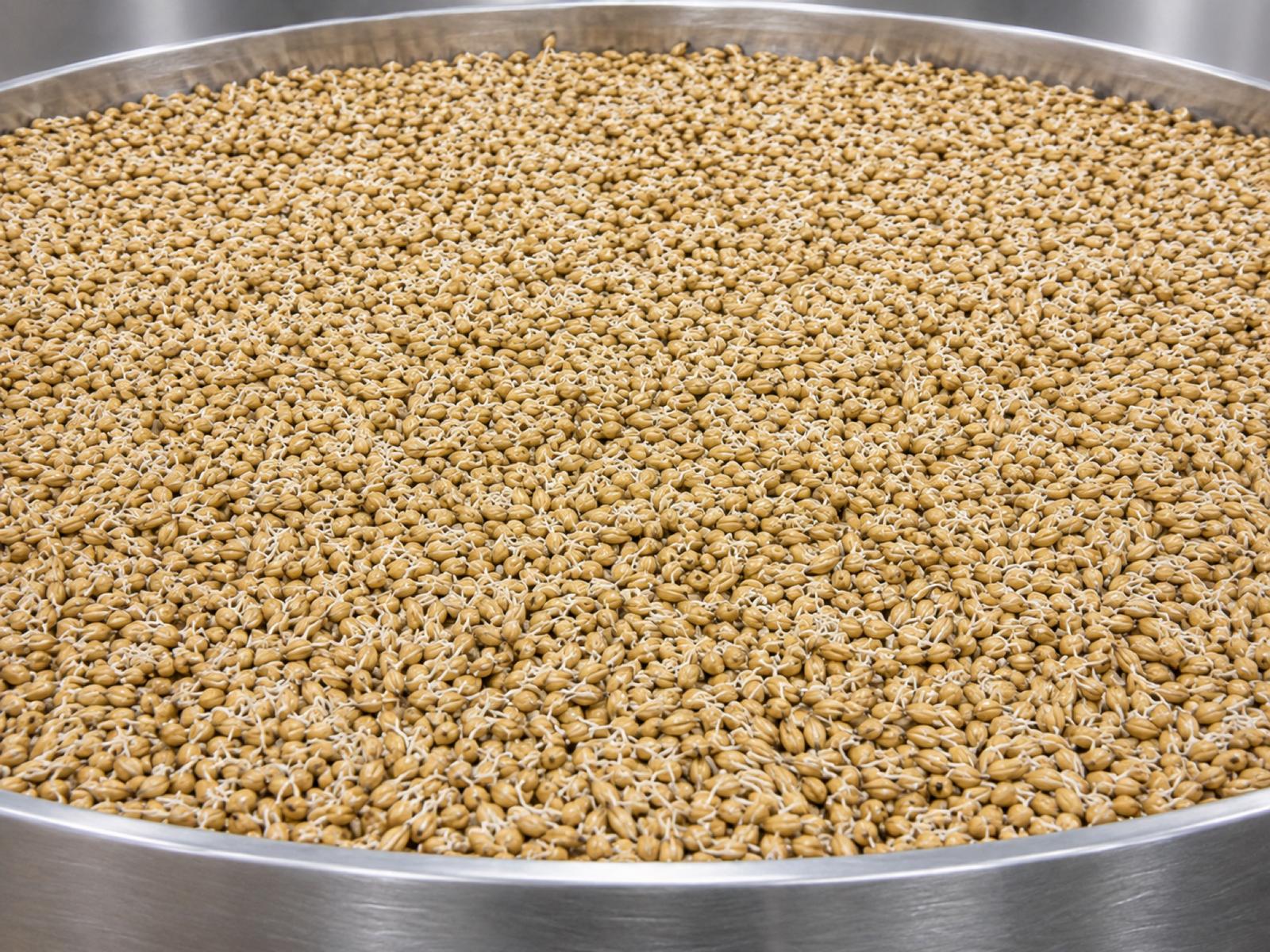
Kilning
Green malt — the germinated, high-moisture grain — is dried with heated air in the kiln across three phases. Free drying removes moisture at low temperature (up to ~60°C) to preserve enzyme activity. Forced drying (60–75°C) raises the air temperature as the grain dries down. Curing (80–105°C for pale malt) reduces final moisture to 3–5%, fixes the enzymes, destroys the rootlets, and develops the color, aroma and flavor compounds — including driving off volatile DMS precursors. Higher curing temperatures yield darker malts richer in Maillard reaction products.
Free drying: up to ~60°C | Forced drying: 60–75°C | Curing: 80–105°C | Final moisture: 3–5%Deculming & Finishing
After kilning, the dried rootlets (culms) are mechanically separated from the malt in a deculmer. Culms are bitter, high in protein, and undesirable in the finished product. They are collected as a valuable animal feed co-product (high in protein and B vitamins). The finished malt is screened, cleaned, cooled, and transferred to storage silos. Samples are taken for analytical quality control before the malt is released for sale.
Culm moisture: 6–8% | Malt final moisture: 4–5% maxKey quality parameters after malting
The finished malt is evaluated against a specification that reflects the buyer's requirements. Typical parameters include:
| Parameter | Typical range (pale lager malt) | Significance |
|---|---|---|
| Moisture | ≤ 4.5% | Storage stability and shelf life |
| Extract (dry basis) | 78–82% | Fermentable yield potential |
| Total protein | 9.5–11.5% | Enzyme activity and foam stability |
| Diastatic power | ≥ 220°WK | Starch conversion capacity |
| Alpha-amylase | 40–70 DU | Liquefaction of starch |
| Beta-glucan (wort) | ≤ 150 mg/L | Filtration and processing efficiency |
| Kolbach index | 37–45% | Degree of protein modification |
| Friability | 75–85% | Physical modification — friable, well-modified endosperm |
| Free amino nitrogen (FAN) | 90–200 mg/L | Yeast nutrition during fermentation |
| Homogeneity | ≥ 92% | Uniform modification across the batch |
| Color (EBC) | 2.5–4.5 | Beer color contribution |
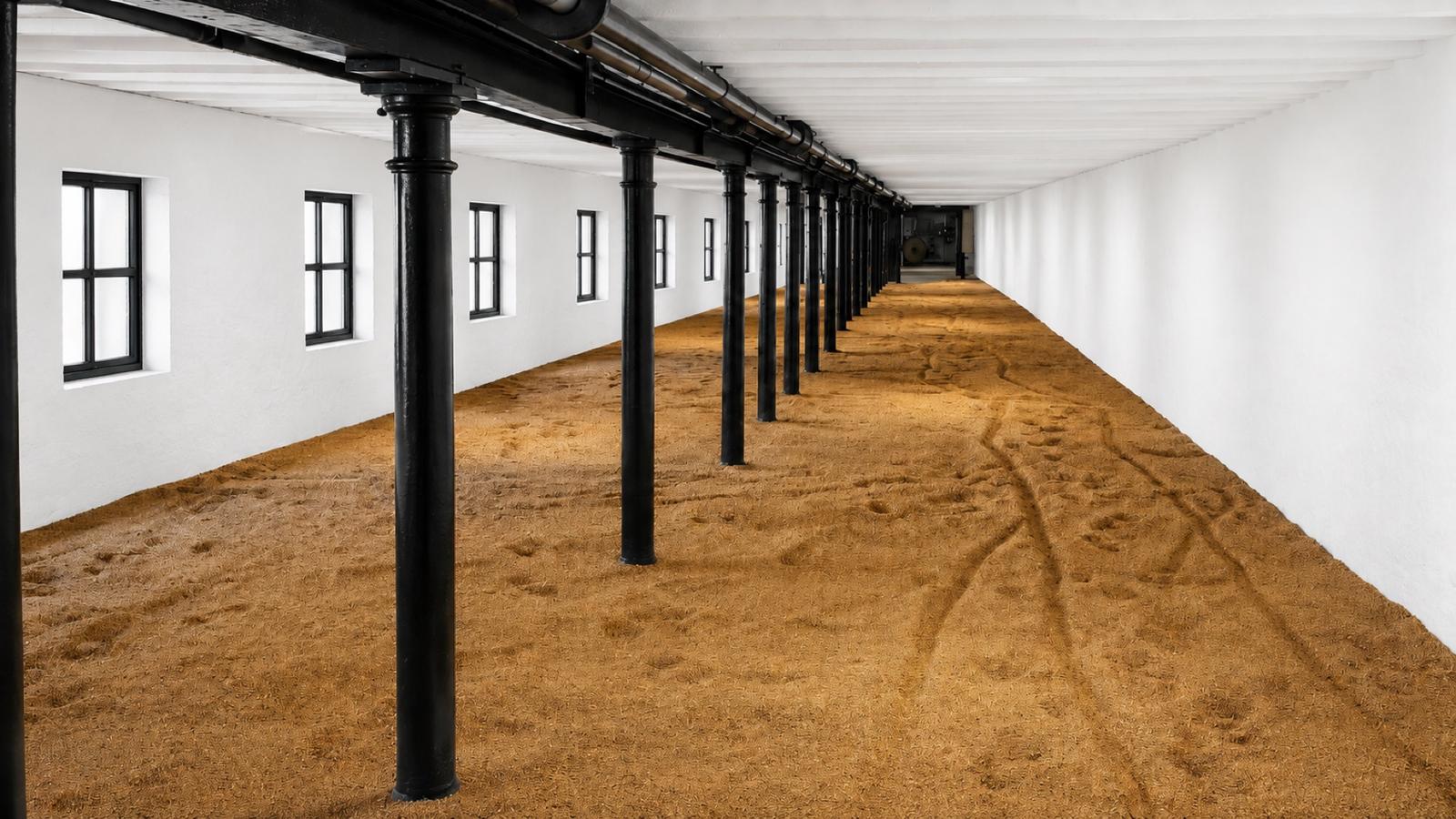
Malt types: beyond pale malt
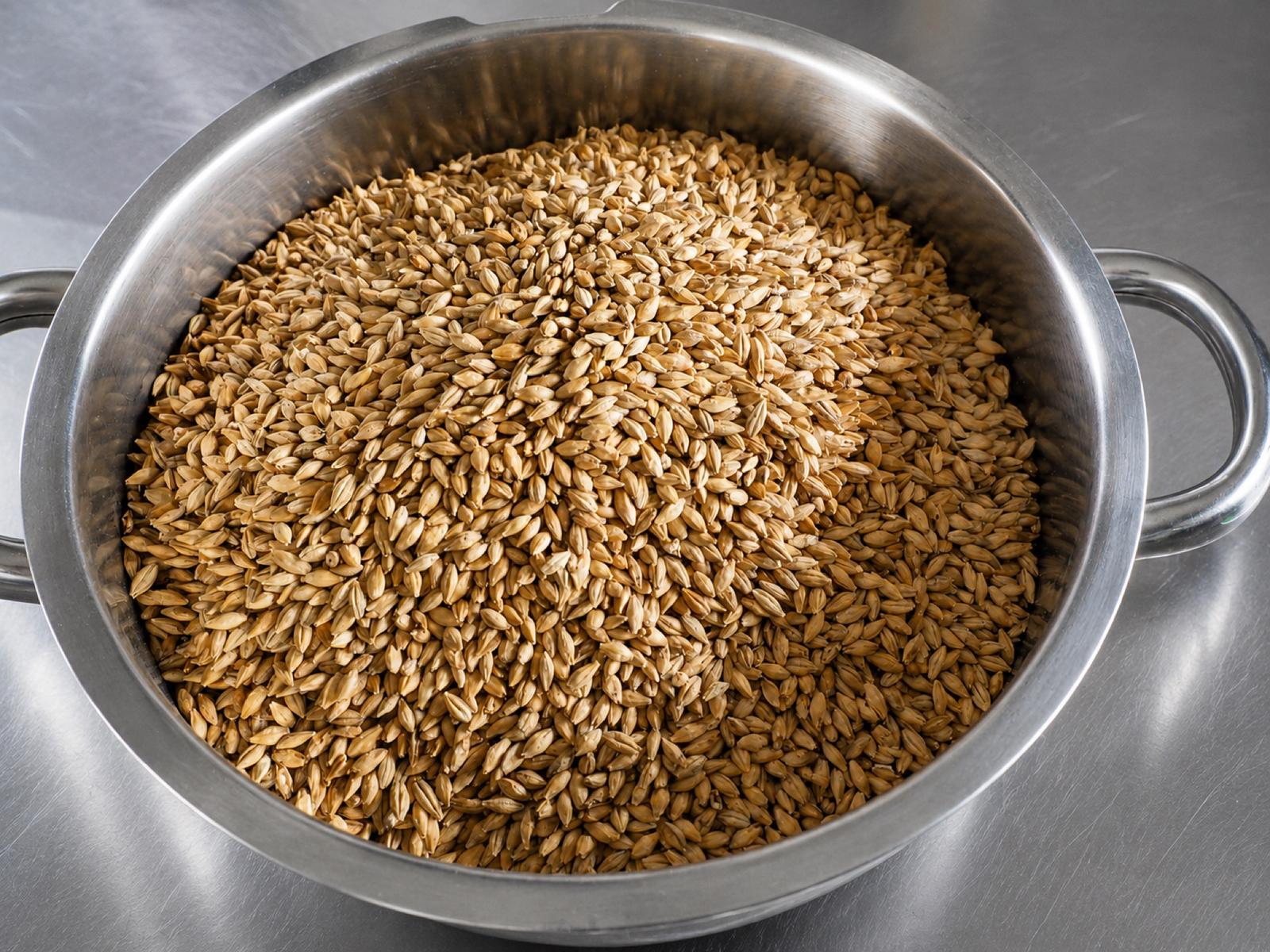
While pale lager malt (also called base malt) is the most widely produced, the kilning process can be modified to produce a spectrum of specialty malts used in beer color, flavor, and body development:
- Pilsner malt: Lightest base malt, minimal kilning. Standard for lager brewing.
- Vienna malt: Slightly darker, kilned at higher temperatures. Toasty, biscuit character.
- Munich malt: High kilning temperature. Deep amber color, strong malt aroma.
- Crystal/Caramel malt: Stewed before kilning to convert starch to non-fermentable dextrins inside the kernel. Adds sweetness and body.
- Roasted malts: Kilned at very high temperatures (200–230°C). Used in dark beers for coffee and chocolate notes.
- Distilling malt: Higher enzyme activity. Optimized for spirit conversion efficiency.
Malt in the brewery
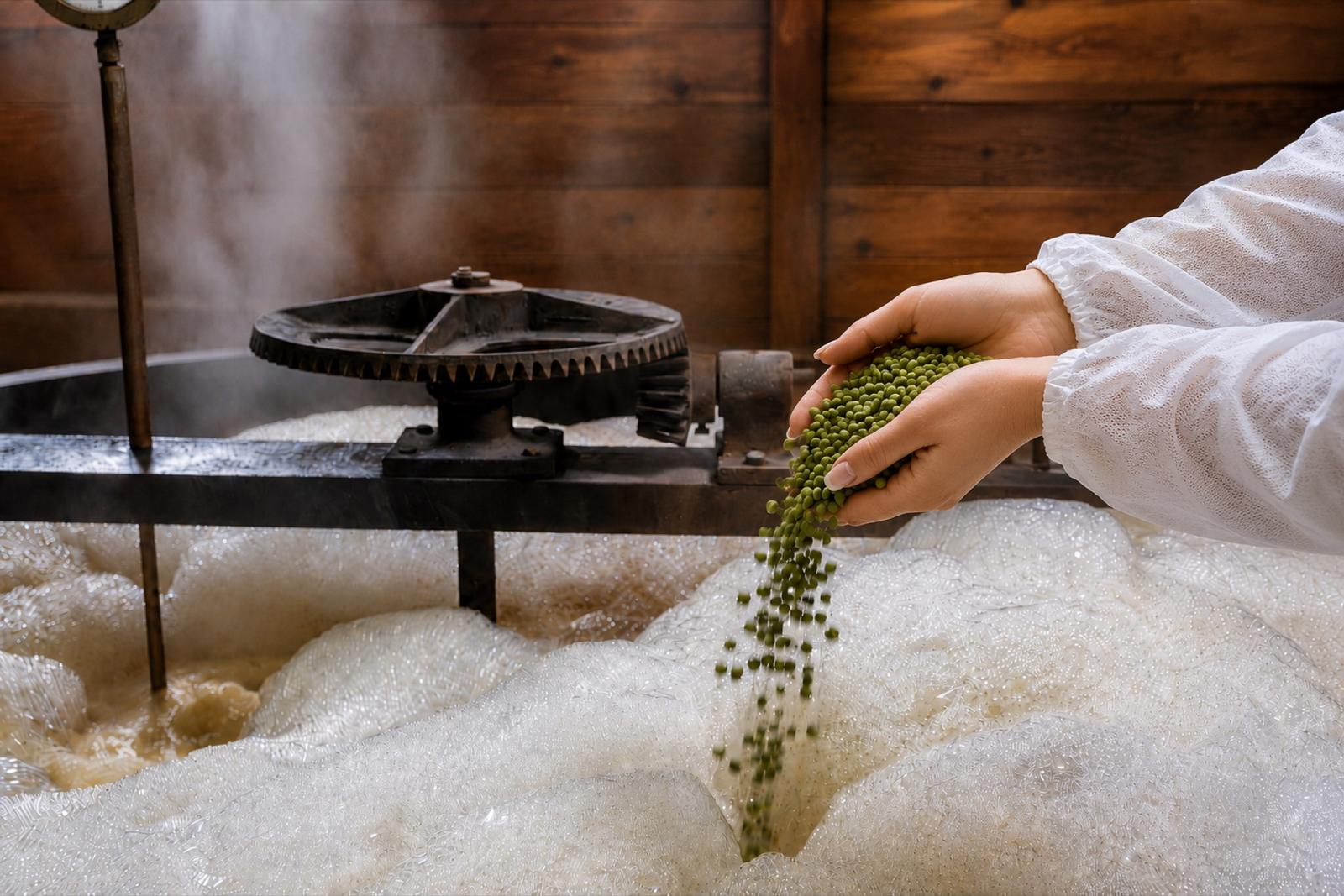
Once dispatched from the malthouse, finished malt arrives at the brewery where it is milled, mashed with hot water, and boiled with hops. The enzymes preserved during kilning convert starch to fermentable sugars during mashing — the direct result of the malting process.
Quality malt is the foundation of consistent beer. Every parameter — extract, protein, diastatic power, color — directly influences the brewer's ability to hit target flavor and alcohol specs.
View quality standards