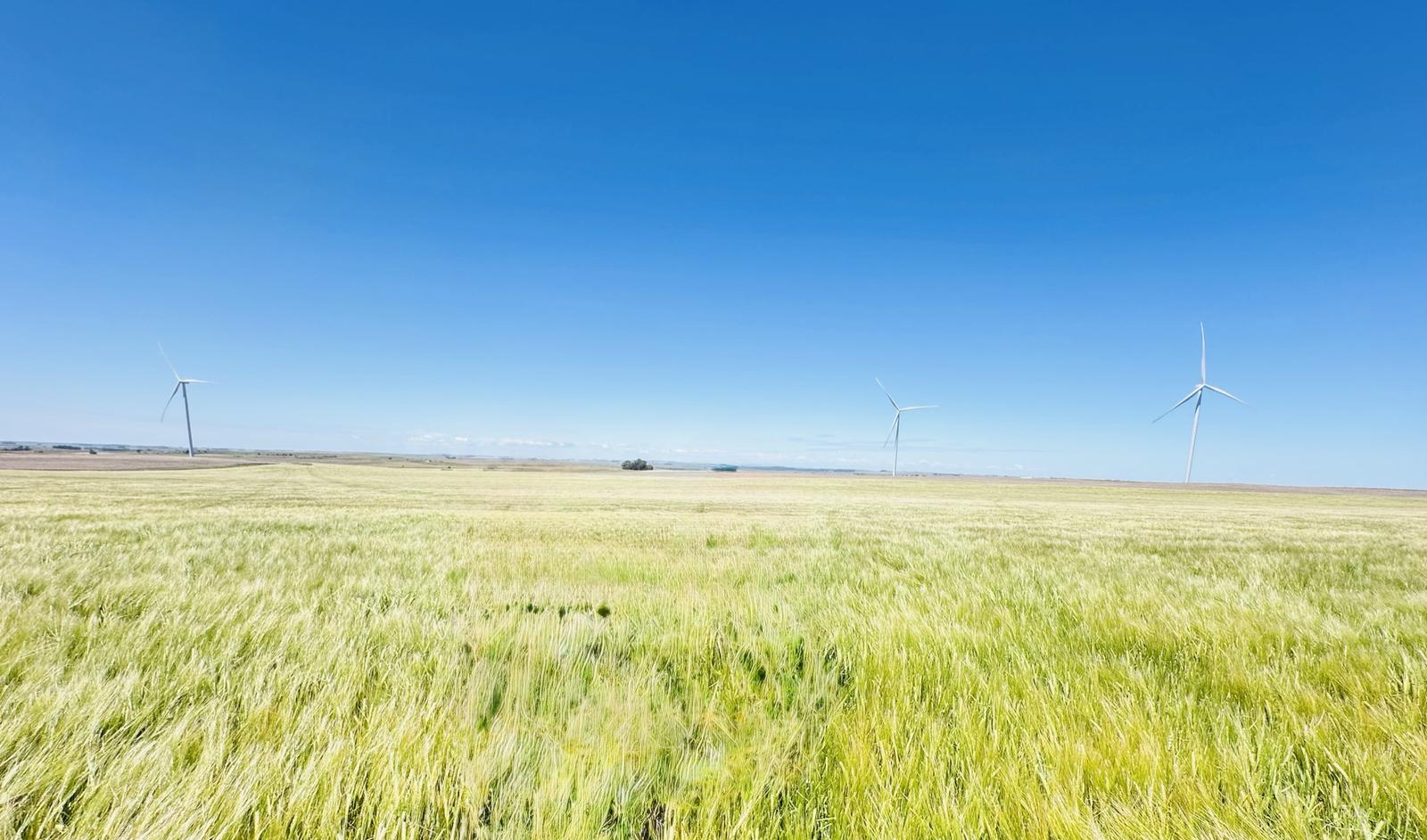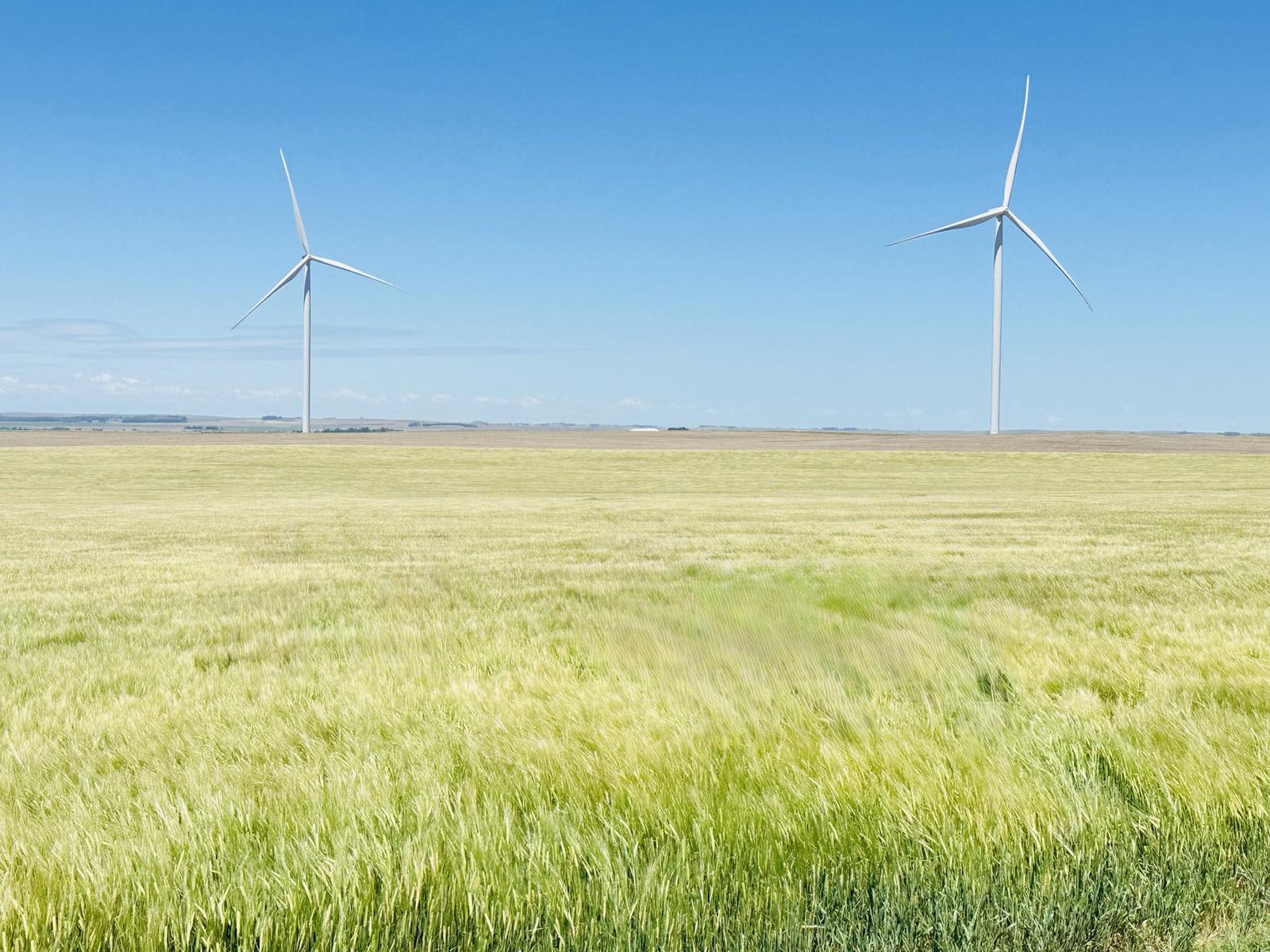
Malting barley sits at the intersection of agriculture, food and beverage production, and environmental responsibility. As breweries and maltsters face increasing pressure to reduce their environmental footprint — from consumers, investors, and regulators — the sustainability of the raw material supply chain has become a strategic priority.
The sustainability of malting barley can be assessed across three main dimensions of resource use: water, nitrogen, and energy. Each of these inputs generates environmental costs and each can be optimized through better agronomy, variety selection, and management practices. Together, they contribute to the carbon footprint of the malt and, ultimately, of the beverage.
Sustainability in the barley-to-malt chain is not simply about reducing inputs. It is about getting more value — more yield, more quality, more environmental benefit — from each unit of resource used. This concept of resource efficiency is central to both economic and environmental performance.